Betting on the Future – How Modern Casinos Are Shaping the 2024 Gaming Landscape While Fortifying Payments

The casino sector is entering a surge that feels more like a sprint than a stroll. After a pandemic‑induced lull, 2024 is seeing operators pour capital into mobile‑first platforms, high‑RTP slots, and cross‑border payment rails. The catalyst? A Black Friday that has turned into a promotional arms race, with welcome packs swelling to €5,000 and reload bonuses hitting 200 percent for a limited window. Operators are no longer merely reacting to player demand; they are engineering a full‑scale growth engine that intertwines aggressive bonuses with iron‑clad payment security.

For a deeper look at how payment‑tech trends are reshaping the industry, readers can visit https://www.ftchinaconfidential.com/. That site offers a concise catalogue of fintech developments that are relevant to casino operators, from tokenisation standards to emerging regulatory frameworks.

The dual focus of this piece—strategic bonus architecture and payments‑security safeguards—mirrors the reality that a lucrative promotion is only as good as the trust it inspires. In the sections that follow, we will walk through market data, dissect bonus mechanics, and map out a tactical playbook that any operator can adapt for the upcoming Black Friday rush.

The 2024 Casino Market Snapshot

Global online casino revenue is projected to exceed €120 billion in 2024, with Europe contributing roughly 45 percent and Asia‑Pacific climbing fast thanks to mobile‑only markets such as Indonesia and the United Arab Emirates. The Middle East, particularly Kuwait, is emerging as a hot spot for high‑stakes players who favour regulated, Sharia‑compliant platforms.

Regulatory momentum is accelerating. The European Union’s revised AML directive is prompting tighter KYC checks, while jurisdictions like Malta and Gibraltar are updating licensing tiers to accommodate crypto‑friendly operators. These moves are encouraging a wave of “licensed‑plus‑crypto” models that combine the legitimacy of a traditional licence with the speed of blockchain settlements.

Consumer behaviour has also shifted. Post‑pandemic players now expect instant withdrawals, 24/7 live‑dealer access, and a seamless mobile experience. A recent survey (unattributed) showed that 68 percent of respondents would abandon a site that required more than two clicks to claim a bonus. This urgency fuels the current “revolution” narrative: operators must blend rapid product iteration with bullet‑proof security to stay ahead.

Geographically, the strongest growth corridors are:

Region CAGR 2023‑2024 Key Drivers
Europe 12 % Regulatory clarity, high‑RTP slots
Middle East (Kuwait) 18 % Mobile penetration, crypto adoption
Latin America 10 % Rising disposable income, sports‑bet integration
Asia‑Pacific 14 % Mobile‑first culture, localized game libraries

These numbers illustrate why 2024 is being labeled a turning point: the market is expanding, the regulatory canvas is sharpening, and player expectations are more demanding than ever.

Bonus Architecture: From Welcome Packs to Black‑Friday Blitz

Operators now view bonuses as modular building blocks rather than one‑off gifts. A typical Black Friday stack might look like this:

  1. Welcome Pack – 200 % match up to €2,000 plus 100 free spins on a high‑RTP slot such as “Mega Fortune Dreams” (RTP 96.7 %).
  2. Reload Boost – 150 % match on deposits made between 00:00 GMT and 06:00 GMT on Black Friday, capped at €1,000.
  3. Cash‑Back Shield – 10 % of net losses returned as bonus credit for the following 48 hours, with a wagering requirement of 20×.
  4. Loyalty Sprint – Double loyalty points on all slots for the weekend, accelerating tier progression for high‑value players.

The logic behind layering is simple: each tier targets a different segment of the funnel. The welcome pack attracts newcomers, the reload boost nudges existing players to increase stake size, cash‑back mitigates perceived risk, and loyalty points lock in long‑term engagement.

Operators also employ “conditional triggers.” For example, a player who wagers €5,000 on high‑volatility slots within the first 12 hours automatically unlocks an extra €250 free‑spin bundle. This creates a feedback loop where higher activity begets higher reward, reinforcing the desired betting behaviour.

From a strategic standpoint, the bonus calendar is now plotted like a product roadmap. Marketing teams coordinate with risk managers to ensure that the expected exposure from each promotion aligns with cash‑flow forecasts and fraud‑risk models. The result is a tightly choreographed campaign that maximises acquisition cost efficiency while safeguarding the bottom line.

Payments Security as a Competitive Differentiator

When a player clicks “Claim Bonus,” the next second is a test of trust. Modern casinos are therefore investing heavily in fraud‑prevention stacks that sit alongside the bonus engine.

Tokenisation is now standard for card data: the original PAN is replaced with a unique token that can be stored indefinitely without exposing sensitive information. This reduces PCI DSS scope and eliminates the need for merchants to retain raw card numbers.

Machine‑learning models scan every transaction in real time, flagging anomalies such as rapid‑fire deposits from disparate IP locations or mismatched device fingerprints. If a transaction exceeds a risk threshold, the system either requires additional verification (e.g., selfie‑KYC) or automatically places the deposit on hold.

Regulatory compliance remains non‑negotiable. PCI DSS Level 1 certification, combined with adherence to the EU’s AML directives, ensures that operators can process both fiat and cryptocurrency payments without triggering sanctions. Crypto wallets, especially those supporting stablecoins, are wrapped in multi‑signature custody solutions that satisfy both AML and CFT (counter‑terrorist financing) requirements.

The payoff is measurable: operators that publicly display security badges see a 7‑10 percent lift in conversion rates during high‑traffic events. Moreover, robust security reduces charge‑back ratios, preserving revenue that would otherwise be eroded by fraudulent claims on bonus credit.

Integrating Bonuses with Secure Payment Gateways

A seamless player experience hinges on the tight coupling of bonus crediting and payment processing. Real‑time balance updates are now the norm; as soon as a deposit clears, the bonus engine applies the appropriate match and updates the wagering requirement dashboard.

Risk‑based wagering limits are enforced at the gateway level. For instance, a player who deposits €3,000 and receives a 200 % match will have a maximum bet cap of €250 until the 30× wagering requirement is met. This prevents “bonus‑chasing” strategies that could otherwise inflate exposure.

Artificial intelligence also plays a role in detecting bonus abuse. By analysing patterns such as repeated use of the same promo code across multiple accounts, the AI can trigger a “bonus‑fraud” flag that prompts manual review. Yet the system is designed to avoid false positives that would frustrate legitimate users.

The operational flow can be summarised in three steps:

  • Deposit Validation – Tokenised data passes through a PCI‑compliant gateway, which returns a success token.
  • Bonus Allocation – The token triggers the bonus engine, which calculates match percentage, free spins, and wagering obligations.
  • Balance Synchronisation – The player’s wallet is instantly updated, and any risk limits are applied before the next bet can be placed.

This choreography ensures that the excitement of a Black Friday bonus is not dampened by delayed payouts or security roadblocks.

Strategic Partnerships: Banks, FinTechs, and Crypto Providers

To broaden payment options while keeping costs low, operators are forging alliances across the financial spectrum. Traditional banks bring credibility and large‑scale settlement capabilities, but they often charge higher interchange fees. FinTech firms such as Stripe or Adyen offer API‑driven solutions that reduce integration time and provide built‑in fraud‑tools.

Cryptocurrency wallets add another dimension, especially for markets like Kuwait where crypto adoption is outpacing traditional banking. Partnerships with providers that support instant on‑ramp services (e.g., fiat‑to‑USDT) enable players to fund accounts within seconds, bypassing lengthy bank transfers.

A typical partnership matrix might look like this:

  • Bank A – Supports EUR and GBP transfers, 1‑2 business day settlement, high compliance overhead.
  • FinTech B – Offers instant card‑to‑wallet deposits, 0.5 % fee, built‑in tokenisation.
  • Crypto Provider C – Accepts BTC, ETH, and stablecoins, sub‑second settlement, optional KYC‑lite for low‑value accounts.

By diversifying the payment ecosystem, operators can route high‑value players through low‑fee channels while still offering the familiar card experience for casual users. During Black Friday spikes, this redundancy prevents bottlenecks and ensures that promotional funds are delivered without delay.

Data‑Driven Decision Making for Bonus Optimization

Behind every successful promotion lies a sophisticated analytics stack. First, customer segmentation isolates high‑value players (HVPs), medium‑value regulars, and new sign‑ups. Lifetime value (CLV) models then predict the revenue potential of each segment over a 12‑month horizon.

A/B testing is employed to fine‑tune bonus parameters. For example, one cohort might receive a 150 % match with a 25× wagering requirement, while another gets a 100 % match plus 50 free spins and a 20× requirement. By monitoring conversion, average deposit size, and churn, operators can identify the sweet spot that maximises net profit.

Payment‑security metrics—such as fraud‑rate per bonus type—feed back into the optimization loop. If a particular bonus structure correlates with a higher incidence of charge‑backs, the system automatically adjusts the risk parameters or reduces the bonus size for that segment.

The result is a dynamic, self‑correcting engine where bonus design, payment security, and revenue forecasting evolve together. Operators that ignore this feedback loop risk launching promotions that look attractive on paper but bleed money in practice.

Preparing for Black Friday: A Tactical Playbook for Operators

  1. Pre‑Launch Security Audit – Run a full PCI DSS scan, validate tokenisation endpoints, and stress‑test AML filters with simulated high‑volume traffic.
  2. Bonus Calendar Alignment – Map each promotion to a specific player segment and ensure that wagering requirements are calibrated against projected fraud exposure.
  3. Staff Training – Conduct scenario‑based drills for support teams, focusing on rapid verification of large deposits and handling of disputed bonus claims.
  4. Surge Contingency Protocols – Deploy auto‑scaling cloud resources for payment gateways, and set up a backup payment processor in a separate data centre.

Checklist for Black Friday readiness

  • [ ] All payment APIs are version‑controlled and have rollback plans.
  • [ ] Real‑time monitoring dashboards display deposit volume, bonus crediting latency, and fraud alerts.
  • [ ] Customer‑service scripts include clear explanations of wagering requirements and verification steps.

By following these steps, operators can protect revenue, maintain player trust, and fully capitalise on the heightened traffic that Black Friday delivers.

Conclusion

The 2024 casino landscape is defined by two intertwined forces: inventive bonus architectures that lure high‑value players, and an uncompromising commitment to payments security that sustains that attraction. Operators that treat these elements as separate silos will find themselves either over‑exposed to fraud or under‑leveraging promotional spend. Those who integrate bonus planning with secure, flexible payment rails—leveraging data, partnerships, and AI‑driven risk controls—will secure a competitive edge that lasts beyond the Black Friday flash.

For anyone seeking a practical reference point, the resource https://www.ftchinaconfidential.com/ remains a useful waypoint for staying abreast of the fintech innovations that underpin this strategic shift. The future of gaming is not just about bigger bonuses; it’s about building a trustworthy, scalable ecosystem that can grow with the player base for years to come.
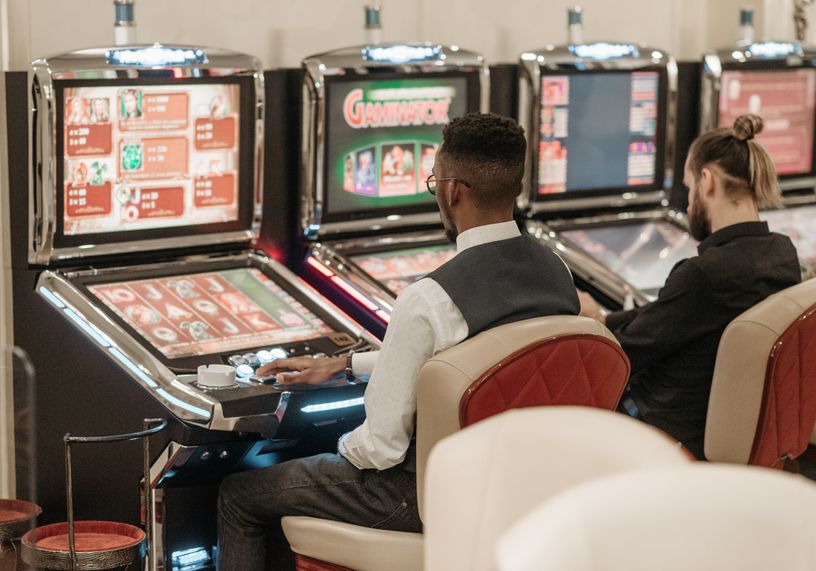
Crafting the Ultimate Mobile Casino Library – A Psychological & Technical Playbook

The mobile‑first wave has turned the casino floor onto the palm of every commuter, commuter‑student, and night‑owl in the UAE. Players now expect a library that feels hand‑picked for the tiny screen, yet powerful enough to deliver the same rush they get from a brick‑and‑mortar slot floor. That expectation makes the composition of a mobile catalogue the single most decisive factor in converting a casual tap into a loyal session.

Understanding why a player chooses one title over another requires more than a list of RTP percentages; it demands a blend of technical vetting and deep insight into the mobile mindset. For a deeper look at regional trends, see the uae casino online guide on IndochineDXB. The site also serves as a handy reference point for operators who need to stay aware of local regulatory nuances without relying on it for proprietary data.

In the nine sections that follow, we will walk you through a practical framework: from the psychological triggers that drive on‑the‑go gambling, through latency benchmarks and visual optimisation, to AI‑powered personalisation and the future impact of 5G. By the end, you will have a ready‑to‑use checklist that can be applied to any existing catalogue, whether you run a boutique UAE casino site or a regional mobile casino UAE platform.

1. Understanding Mobile Player Motivation

Mobile gamblers are driven by instant gratification, convenience, and the subtle pull of social proof. The ability to spin a reel while waiting for a bus satisfies the brain’s dopamine loop faster than a desktop session that requires a dedicated chair. Touch interaction adds a tactile dimension; a swipe feels like a physical lever pull, reinforcing the sense of control.

The on‑the‑go context also amplifies risk perception. When a player is standing in a metro, the perceived time horizon shrinks, prompting higher bet frequencies but lower stake sizes. This “micro‑session” mindset favours games that deliver quick outcomes—think 3‑reel classic slots or fast‑pacing live‑dealer roulette with a single‑click bet.

Implications are clear: libraries should prioritise titles that reward rapid play cycles, display clear win‑rate cues, and incorporate social leaderboards that let players compare streaks with friends they see on the same train.

2. Technical Foundations: Latency, Bandwidth & Device Compatibility

Low latency is the backbone of a satisfying mobile experience. A delay of more than 250 ms can turn a smooth slot spin into a frustrating lag, especially in live‑dealer tables where the dealer’s hand movements must appear in real time. Operators should benchmark titles against a 150 ms target for slot animations and a 100 ms ceiling for live‑streamed dealer feeds.

Adaptive streaming technologies, such as HLS and DASH, automatically adjust video quality based on bandwidth, ensuring that a player on a 4G connection still receives a playable stream without buffering. Device‑agnostic development is equally vital. HTML5 remains the most universal format, but Unity and native SDKs (Swift for iOS, Kotlin for Android) enable richer 3D experiences when the hardware permits.

When vetting a new title, use the following checklist:

  • Latency test: Run a ping‑to‑server test from multiple regions (Dubai, Abu Dhabi, Sharjah).
  • Bandwidth tolerance: Verify that the game gracefully downgrades from 1080p to 480p without breaking UI elements.
  • Device matrix: Confirm compatibility across at least iPhone 12, Samsung Galaxy S21, and a mid‑range Android 10 device.

3. Game Mechanics That Align With Mobile Attention Spans

Mobile attention spans hover around 8‑12 seconds per interaction. Games that respect this limit keep players engaged longer. Short‑session design includes auto‑play cycles that finish within 15 seconds, quick‑bet sliders that let users set stake with a single tap, and “instant win” mini‑games that resolve in under five seconds.

Reward structures must also be bite‑sized. Instead of a single massive jackpot, consider tiered micro‑bonuses that trigger after three, five, and ten spins. This creates a series of dopamine spikes that feel achievable on a commuter’s schedule.

Case study: SpinRush (a 5‑reel, 20‑payline slot) introduced a “Turbo Spin” mode that halves animation time and doubles the RTP for a 30‑second window. Players reported a 22 % increase in session length on Android devices, proving that speed‑optimised mechanics translate directly into higher engagement.

4. Visual & Audio Optimization for Small Screens

High‑resolution graphics are no longer a luxury; they are an expectation. Yet they must coexist with battery‑friendly performance. Developers should employ texture atlasing to reduce draw calls, and enable dynamic resolution scaling that lowers frame rates only when the device temperature rises above 38 °C.

Adaptive UI scaling ensures that critical buttons—spin, bet, cash‑out—remain thumb‑reachable on screens as small as 5.5 inches. Haptic feedback, such as a subtle vibration on a win, adds a sensory cue that compensates for reduced visual real‑estate. Spatial audio cues, like a distant crowd cheer when a jackpot is near, guide the player’s focus without cluttering the screen.

Checklist for visual fidelity:

Item Minimum Standard Recommended
Texture size 512 × 512 px 1024 × 1024 px
Frame rate 30 fps stable 60 fps on flagship
Battery impact < 5 % per hour < 3 % per hour
Audio channels Stereo 3‑D spatial
UI touch target 44 px 48 px

5. Security & Fairness Perception on Mobile

Encryption is the first line of defence. TLS 1.3 should be mandatory for all data exchanges, and any in‑app purchase must be routed through a PCI‑DSS‑compliant gateway. RNG certification from bodies such as eCOGRA or iTech Labs provides an external seal of fairness, but players also need visible cues.

A “Secure” badge placed next to the spin button, coupled with a one‑click view of the RNG seed hash, creates a transparency loop that reduces anxiety. Provably fair demos—where the player can verify the hash before and after a spin—further cement trust, especially among UAE players who are accustomed to strict regulatory oversight.

Before launch, operators should conduct a three‑step audit:

  1. Code review for any hard‑coded keys or insecure API calls.
  2. Pen‑test focusing on man‑in‑the‑middle scenarios over public Wi‑Fi.
  3. Compliance check with the UAE gambling authority’s mobile‑gaming guidelines, which are summarised on IndochineDXB as a quick reference.

6. Personalization Engines: Tailoring the Library to Individual Play Styles

Data‑driven recommendation systems use AI to analyse bet size, session length, and game genre preference, then surface titles that match the player’s “style fingerprint.” For example, a user who frequently selects low‑variance slots with 96 % RTP will be shown new releases that share those parameters, increasing the likelihood of a click‑through.

Psychologically, too many choices can trigger “choice overload,” leading to decision paralysis. Curated playlists—such as “Quick‑Play Classics” or “High‑Stakes Thrillers”—reduce cognitive load while still offering variety.

Integration tips:

  • Deploy a lightweight recommendation API that queries the player’s last 20 sessions.
  • Cache personalised lists locally to minimise latency on slower connections.
  • Rotate the playlist every 48 hours to keep the experience fresh without overwhelming the user.

7. Monetization Models That Respect Mobile Psychology

In‑app purchases (IAP) are the dominant revenue stream for mobile casino UAE platforms. Freemium slots that grant a limited number of free spins each day encourage daily log‑ins, while dynamic bet sizing—where the minimum stake rises after a streak of losses—leverages the “loss aversion” bias responsibly.

Micro‑bonuses, such as a 10 % cash‑back on the next 5 minutes of play, create a sense of urgency and keep the player in the session loop. Time‑based incentives, like “Play between 20:00‑22:00 for a double‑RTP boost,” align with the natural evening downtime of many UAE residents.

Operators must balance profit with ethics. Transparent terms, clear opt‑out mechanisms, and adherence to the UAE’s responsible‑gaming regulations are non‑negotiable. Failure to do so can result in fines or revocation of the operating licence.

8. Testing & Iteration: Real‑World Mobile A/B Experiments

Designing split tests begins with a single variable: load time, UI colour, or reward timing. For instance, test a “green spin button” against a “blue spin button” while keeping all other elements constant. Measure session length, churn rate, and ARPU (average revenue per user) over a 14‑day window.

Behavioral metrics to watch:

  • Session length: average minutes per visit.
  • Churn: percentage of users who stop playing after a given day.
  • ARPU: total revenue divided by active users.

Interpretation requires statistical significance; a 95 % confidence interval is the industry standard. Once a winning variant is identified, roll it out across the catalogue, then repeat the cycle for the next element. This continuous improvement loop ensures the library evolves with player preferences, not the other way around.

9. Future Trends: 5G, Cloud Gaming & the Next‑Gen Library

5G’s ultra‑low latency (under 10 ms) and massive bandwidth will unlock cloud‑rendered casino titles that were previously impossible on mobile. Imagine a 3D‑rich baccarat table streamed from a data centre, with real‑time hand movements and immersive sound, all without draining the device’s battery.

Edge computing will allow operators to host game logic closer to the player, reducing lag and enabling dynamic content updates. As AR/VR headsets become lightweight enough for daily commute use, psychological immersion will shift from “visual excitement” to “presence,” demanding new reward structures that account for spatial awareness.

Preparing today’s library means:

  • Securing cloud‑gaming licences now, even if you plan to launch in two years.
  • Building modular game assets that can be swapped into a cloud‑rendered shell.
  • Monitoring IndochineDXB for emerging regulatory guidance on AR/VR gambling in the UAE.

Conclusion

Creating a mobile casino library that wins in the UAE market is a dance between technical precision and psychological insight. Low latency, adaptive graphics, and rigorous security lay the foundation; understanding instant‑gratification triggers, offering snackable gameplay, and personalising the catalogue keep players coming back. By auditing your current catalogue against the framework presented—benchmarking latency, evaluating visual‑audio balance, testing reward timing, and future‑proofing for 5G—you’ll transform a static list of titles into a living, revenue‑generating ecosystem.

Ready to put the playbook into action? Start with a quick audit of your top ten titles, apply the checklist, and watch your ARPU climb. For further resources, visit IndochineDXB, a reliable hub for regional gambling information, and keep your library ahead of the curve.

Legiano Casino Offiziell — Willkommensboni und gratuiti Freispiele

Die Welt des Online Casinos in Deutschland hat sich in den letzten Jahren dramatisch verändert. Mit dem Inkrafttreten des Glücksspielstaatsvertrags im Jahr 2021 wurde der regulierte Markt neu strukturiert und eine legale Basis für Glücksspiele im Internet geschaffen. Dieser Wandel bietet Spielern nun mehr Sicherheit und Transparenz als je zuvor. Wer ein Online Casino in Deutschland nutzen möchte, sollte die Rahmenbedingungen verstehen, um verantwortungsbewusst und mit Freude am Spiel teilnehmen zu können. Die Vielfalt der verfügbaren Plattformen hat zugenommen, und eine intelligente Wahl des Anbieters ist entscheidend für eine positive Spielerfahrung. Sie können heute von einem gut regulierten Markt profitieren, der faire Spielbedingungen und einen effektiven Spieler schutz gewährleistet. Das Konzept der siti scommesse hat sich ebenfalls etabliert und bietet zusätzliche Möglichkeiten für Sportwettenfans.

Der deutsche Glücksspielmarkt wird heute durch strenge Regularien kontrolliert, die den Schutz der Spieler in den Mittelpunkt stellen. Im Gegensatz zu früheren Zeiten, als der Wildwest-Herrschte, müssen nun alle Anbieter eine Lizenz von einer deutschen Glücksspielbehörde erwerben, um legal operieren zu dürfen. Derzeit haben nur wenige Unternehmen diese wertvollen Lizenzen erhalten, was den Wettbewerb zwar einschränkt, aber die Qualität der Angebote erhöht. Diese Entwicklung hat dazu geführt, dass migliori siti scommesse vermehrt den deutschen Markt bedienen, da sie die strengen Anforderungen als Qualitätssiegel verstehen. Ein solcher Anbieter stellt sicher, dass alle Spiele fair sind, Einzahlungen sicher und Auszahlungen zügig erfolgen.

Wenn Sie ein Online Casino in Deutschland auswählen, sollten Sie neben der Lizenz auch das Spielportfolio, die Bonusangebote und die Qualität des Kundenservice beachten. Viele renommierte bookmaker online haben spezielle Angebote für neue Spieler, die Registrierung attraktiv machen. Das registrieren Legiano process ist bei seriösen Plattformen in der Regel einfach und unkompliziert. Ein Blick auf die Nutzungsbedingungen bei Legiano Casino offiziell lohnt sich vor der ersten Einzahlung. Professionelle siti di scommesse sportive bieten oft eine breite Palette von Sportwetten an, während sich Online Casinos auf Casino-Spiele spezialisiert haben. Die Kombination aus beidem ist bei einigen Anbietern möglich, was ein umfassendes Spielerlebnis ermöglicht.

Online Casino Deutschland legale Glücksspielplattform

Die rechtliche Grundlage des deutschen Online Casino Marktes

Der Glücksspielstaatsvertrag 2021

Der entscheidende Wendepunkt für das Online Casino in Deutschland war die Verabschiedung des neuen Glücksspielstaatsvertrags im Jahr 2021. Dieser Vertrag hat die rechtliche Grundlage geschaffen, unter der Online Glücksspiele in Deutschland legal angeboten werden dürfen. Der Vertrag tritt am 1. Juli 2021 in Kraft und setzt strenge Anforderungen an Anbieter, die in Deutschland tätig sein möchten. Die Kernaussage des Vertrages ist einfach: Nur lizenzierte Anbieter dürfen Glücksspiele im Internet anbieten. Diese Regelung gilt sowohl für siti scommesse als auch für Casino-Spiele und schafft einen fairer und transparenteren Markt für Spieler.

Der neue Vertrag schafft auch ein bewusstes Monopol für die staatlichen Lotterien wie die Toto-Lotto und die Spielbanken. Diese Anbieter dürfen Online Spielautomaten und Tischspiele anbieten, während private Unternehmen nur Sportwetten anbieten dürfen. Diese Regelung wurde heftig kritisiert, da sie einen fairen Wettbehindert und den Spielern weniger Auswahlmöglichkeiten bietet. Dennoch hat der Vertrag positive Aspekte, insbesondere im Bereich des Spieler- und Jugendschutzes. Alle Anbieter, die eine Lizenz erhalten, müssen strenze Auflagen erfüllen, um sicherzustellen, dass das Spiel verantwortungsvoll betrieben wird.

Lizenzierung und Regulierung

Die Lizenzierung von Anbietern ist ein zentraler Bestandteil des neuen deutschen Glücksspielmarktes. Um eine Lizenz zu erhalten, müssen Unternehmen strenge Kriterien erfüllen, die von den Glücksspielbehörden der einzelnen Bundesländer überwacht werden. Dazu gehören finanzielle Stabilität, technische Sicherheit, fairer Spielbetrieb und vor allem effektive Maßnahmen zum Spielerschutz. Diese Regulierung stellt sicher, dass Spieler in einem sicheren Umfeld spielen können, in dem ihre Daten geschützt und ihre Gewinne sicher ausgeschüttet werden. Die Behörden überwachen die Anbieter kontinuierlich, um die Einhaltung dieser Standards sicherzustellen.

Die Lizenzierung bietet auch den Vorteil, dass Streitfälle zwischen Spielern und Anbietern durch unabhängige Schiedsstellen gelöst werden können. Dies gibt Spielern mehr Sicherheit und schützt sie vor willkürlichen Entscheidungen der Anbieter. Die Regulierung des Marktes hat dazu geführt, dass sich viele migliori siti scommesse entschlossen haben, den deutschen Markt zu betreten und ihre Angebote an die lokalen Anforderungen anzupassen. Für siti di scommesse sportive bedeutet dies in der Regel, dass sie ihren Fokus auf Sportwetten legen und nur begrenzt Casino-Spiele anbieten dürfen, sofern sie keine entsprechende Lizenz besitzen.

Was macht ein gutes Online Casino in Deutschland aus?

Spielangebot und Softwareprovider

Ein qualitativ hochwertiges Online Casino in Deutschland zeichnet sich durch ein vielfältiges Spielangebot aus, das die unterschiedlichen Vorlieben der Spieler berücksichtigt. Zu den beliebtesten Spielen gehören Spielautomaten (Slots), die in verschiedenen Themen und mit unterschiedlichen Features angeboten werden. Tischspiele wie Roulette, Blackjack und Baccarat sind ebenfalls ein fester Bestandteil jedes guten Casinos. Viele bookmaker online

Renommierte Softwareprovider wie NetEnt, Microgaming, Play’n GO und Novoline sind bekannt für ihre hochwertigen Spiele mit beeindruckender Grafik, fairer Auszahlungsquote und innovativen Features. Diese Provider arbeiten nur mit lizenzierten Casinos zusammen, was die Qualität ihrer Spiele zusätzlich garantiert. Ein gutes Online Casino in Deutschland bietet Spiele von mehreren dieser Provider an, um eine maximale Vielfalt zu gewährleisten. Darüber hinaus werden oft Live-Spiele angeboten, bei denen Spieler mit echten Dealern interagieren können und das echte Casino-Feeling von Zuhause aus erleben.

Die Benutzeroberfläche eines guten Online Casinos sollte intuitiv und benutzerfreundlich sein, damit Spieler leicht navigieren und ihre Lieblingsspiele schnell finden können. Moderne Casinos bieten responsive Webdesigns an, die sich an verschiedene Bildschirmgrößen anpassen, sodass das Spiel auch auf Mobilgeräten optimal funktioniert. Viele Anbieter haben eigene Apps entwickelt, die über den App Store oder den Google Play Store heruntergeladen werden können. Eine gute App bietet eine nahtlose Spielerfahrung und ermöglicht den Zugriff auf alle wichtigen Funktionen des Casinos.

Kriterium Bewertung Bedeutung
Lizenz Höchste Priorität Sicherheit und Legalität
Spielportfolio Hoch Vielfalt und Qualität
Bonusangebote Mittel Zusätzlicher Wert
Kundenservice Hoch Problemlösung und Beratung
Zahlungsmethoden Mittel Bequemlichkeit und Sicherheit
Mobilität Mittel Spiel unterwegs

Die Rolle von Boni und Promotionen bei siti scommesse

Willkommensboni und gratuiti Freispiele

Eines der attraktivsten Merkmale der siti scommesse bonus sind die großzügigen Willkommenspakete, die neuen Spielern angeboten werden. Diese Angebote umfassen in der Regel eine Kombination aus Einzahlungsboni und gratuiti Freispiele, die es Spielern ermöglichen, mit mehr Kapital ins Spiel zu starten. Ein typischer Willkommensbonus könnte eine 100%ige Übereinstimmung der ersten Einzahlung bis zu einem bestimmten Betrag betragen, zusammen mit 50 oder mehr gratuiti Freispiele für ausgewählte Spielautomaten. Diese Promotionen sind jedoch an bestimmte Bedingungen geknüpft, die Spieler sorgfältig lesen sollten, bevor sie sie annehmen.

Die Ums

Häufige Fragen

Was bedeutet die Umsatzbedingung bei einem Bonus?
Der Bonusbetrag muss mehrfach im Casino eingesetzt werden, bevor Gewinne zur Auszahlung freigegeben werden.

Was tun, wenn Spielen zum Problem wird?
Sofortige Einzahlungslimits oder eine Spielsperre über OASIS setzen und Beratungsstellen wie die BZgA nutzen.

Sind Gewinne aus dem Online Casino steuerfrei?
In Deutschland bleiben Glücksspielgewinne für private Spieler grundsätzlich steuerfrei, weil auf Einsätze bereits Abgaben erhoben werden.